The Future of Spare Parts: How 3D Printing is Empowering Everyday Repairs
What if you could fix your devices at home instead of replacing them?
In a world increasingly focused on sustainability and reducing electronic waste, 3D printing spare parts is emerging as a practical solution. Rather than tossing out a device because of a broken plastic hinge or worn-out clip, imagine simply downloading a digital file and printing a new part — all from your home or local 3D printing service provider.
This vision isn’t just futuristic anymore. Companies like Philips, in collaboration with Prusa Research, have already begun allowing customers to 3D print replacement parts via open-source files, as seen in the launch of Philips Fixables on Prusa’s Printables platform.
At Crenodez, we see this as a transformational shift. As a provider of professional 3D printing services in Chennai, we’re helping individuals and businesses make this future a reality — one custom-designed part at a time.

Why 3D Printing Spare Parts is a Game-Changer
The traditional supply chain for spare parts often involves long waits, expensive logistics, or the disappointment of discontinued models. Enter additive manufacturing, or 3D printing — a process that allows parts to be made on-demand, with no minimum quantity required.
Here’s why this matters:
- Faster Repairs: No need to wait weeks for shipping. Print parts within hours.
- Cost-Efficiency: Reduce costs, especially for small plastic components.
- Sustainability: Cut down on unnecessary replacements and e-waste.
In fact, according to the UK’s Recycle Your Electricals campaign, over 100,000 tonnes of electrical items are discarded every year. By choosing to repair with 3D printed parts, we can all play a role in reducing this environmental impact.
How Crenodez Can Help You Design and Print the Parts You Need
You don’t need to be a 3D designer or own a printer to get started. At Crenodez, we offer end-to-end support:
✅ CAD Design Services
Our engineering team can model your damaged or missing part using CAD software, ensuring it is optimized for functionality and fit. Whether it’s a broken appliance clip, a custom bracket, or a bespoke mechanical component, we’ve got you covered.
✅ Professional 3D Printing Services
Once your part is designed, we help you choose the best printing technology:
- FDM 3D Printing – Ideal for functional prototypes and larger plastic parts
- SLA and DLP Printing – Best for high-detail and smooth surface finishes
- SLS and MJF Printing – Great for durable, complex components with no support marks
Explore our Material Data Sheet to find out which materials offer the strength, flexibility, or temperature resistance your project needs.
Small Batch Manufacturing: Beyond One-Off Repairs
Have a product idea or want to reproduce a discontinued part in bulk? We also offer small batch manufacturing services using industrial-grade 3D printing. This is perfect for startups, innovators, or service centers looking to provide custom repair kits.
Real-World Examples of 3D Printed Spare Parts
- Consumer Electronics: Razor combs, battery covers, phone mounts
- Home Appliances: Washing machine knobs, vacuum hose adapters
- Automotive: Clips, brackets, and dashboard inserts
- Medical Devices: Custom-fit adapters and holders
If major brands like IKEA and Philips are investing in user-generated spare parts, it’s clear that distributed manufacturing is here to stay.
Conclusion: Don’t Replace It – Reprint It!
3D printing is redefining the way we think about product lifecycles. With easy access to design expertise and affordable production services like those offered at Crenodez, fixing broken items is no longer just for the technically inclined. It’s a movement toward a more sustainable, cost-effective, and empowering future.
So the next time something breaks, ask yourself: can I print the fix?
👉 Contact us today to find out how we can help bring your broken parts back to life.
For more updates and industry insights, check out our blog.
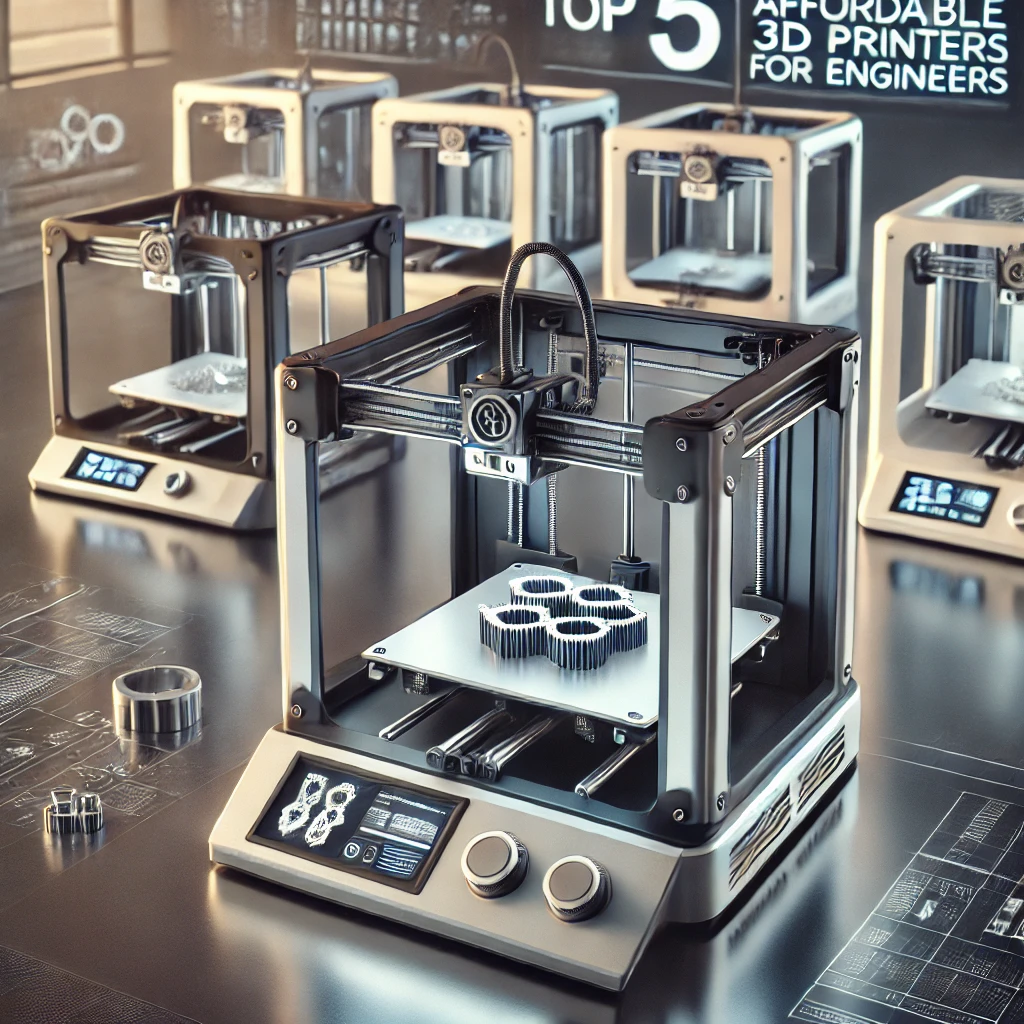
Top 5 Affordable 3D Printers for Engineers: Balancing Cost and Precision
Introduction
In recent years, 3D printing has revolutionized the engineering world, making prototyping and custom manufacturing more accessible. But for engineers, it’s not just about having a 3D printer—it’s about finding one that offers a balance between cost and precision. Whether you’re a student, a startup founder, or an experienced engineer looking for an upgrade, finding an affordable yet accurate 3D printer can make all the difference in your work.
For engineers, 3D printing is an invaluable tool, allowing the rapid prototyping and manufacturing of parts that are essential to innovation. However, not all engineers have the budget for high-end 3D printers, especially startups and students. The good news is that affordable 3D printers are now offering impressive precision and functionality that meet engineering demands without costing a fortune. In this guide, we’ll explore the top five affordable 3D printers that strike a perfect balance between cost and precision.
Why Affordable 3D Printers Are the Right Choice?
Choosing an affordable 3D printer doesn’t mean sacrificing quality. For engineers who need to prototype, experiment, and manufacture parts, affordable options today can deliver professional-level results. Whether you’re a student learning the ropes or a professional working on a tight budget, these printers provide the perfect entry point into the world of 3D printing without compromising on performance.
Benefits for Students, Startups, and Professionals
For students and startups, cost-effective 3D printers make prototyping accessible. You can experiment with designs, print small batches, and refine your ideas, all without hefty upfront costs. For professionals, affordable printers offer a way to test out concepts before moving to larger-scale production.
Why Price Doesn’t Always Equal Quality
With advances in technology, even budget 3D printers now offer features that were once exclusive to high-end models. These include auto-bed leveling, high print resolution, and even multiple material compatibilities, making it possible to achieve great results on a budget.
Factors to Consider When Choosing a 3D Printer
Before diving into our top picks, here are the main factors to keep in mind when choosing a 3D printer for your engineering projects:
Accuracy and Resolution
For engineers, precision is key. Look for printers with fine layer resolutions (as low as 0.05mm) for detailed and accurate results.
Build Size
Depending on your project requirements, the build volume of the printer is crucial. Larger volumes allow for bigger models, while smaller printers are more compact and ideal for smaller components.
Material Options
Engineers often need to work with different materials like PLA, ABS, or even flexible filaments. Make sure your printer is compatible with the materials you require for your projects.
User-Friendliness
A 3D printer should be easy to set up and use, especially if multiple people will be working with it. Features like auto-bed leveling and touchscreen interfaces can save a lot of time.
Durability
A printer that can withstand heavy use over time is essential. Sturdy builds and high-quality components ensure long-term use, which is crucial for engineers who need to rely on their tools.
Overview of the Top 5 Affordable 3D Printers for Engineers
Now that we’ve covered the essentials, let’s take a closer look at five of the best affordable 3D printers for engineers. These options offer a great blend of precision, price, and reliability.
#1: Creality Ender 3 V2 NEO
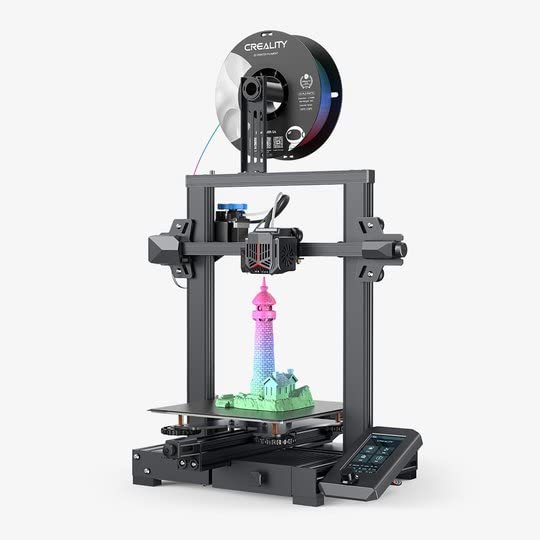
Key Features:
- Build volume: 220 x 220 x 250 mm
- Precision: 0.1mm
- Material compatibility: PLA, ABS, PETG
The Creality Ender 3 V2 NEO is an excellent upgrade from the classic Ender 3, providing better stability and enhanced user-friendliness. It’s highly favored among engineers for its precision, ease of assembly, and robust build.
Why It’s a Solid Choice for Engineers
The Ender 3 V2 NEO is known for delivering consistent, high-quality prints with an upgraded bed leveling system. Its affordable price point makes it a great starting point for engineers looking for reliability without splurging.
CLICK HERE TO BUY CREALITY ENDER 3 V2 NEO
#2: Anycubic Kobra 2 Neo
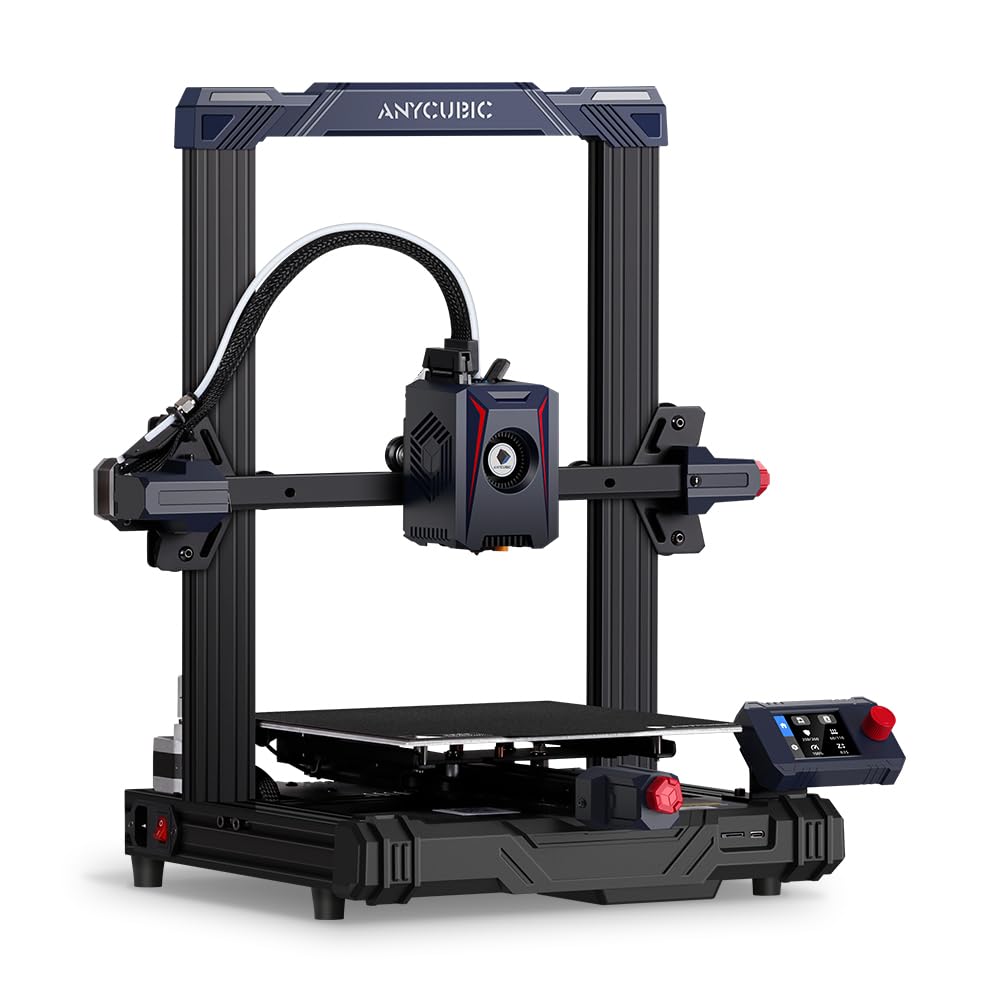
Key Features:
- Build volume: 220 x 220 x 250 mm
- Precision: 0.05mm
- Material compatibility: PLA, ABS, PETG
The Anycubic Kobra 2 Neo comes with auto-bed leveling and a user-friendly interface, which engineers love for easy and hassle-free printing. Its high precision makes it ideal for detailed projects and professional-grade results.
What Makes It Stand Out for Engineering Tasks
This model’s direct drive extruder and high print speed make it perfect for engineering tasks that require both precision and efficiency.
CLICK HERE TO BUY ANYCUBIC COBRA 2 NEO
#3: Bambu Lab A1 mini
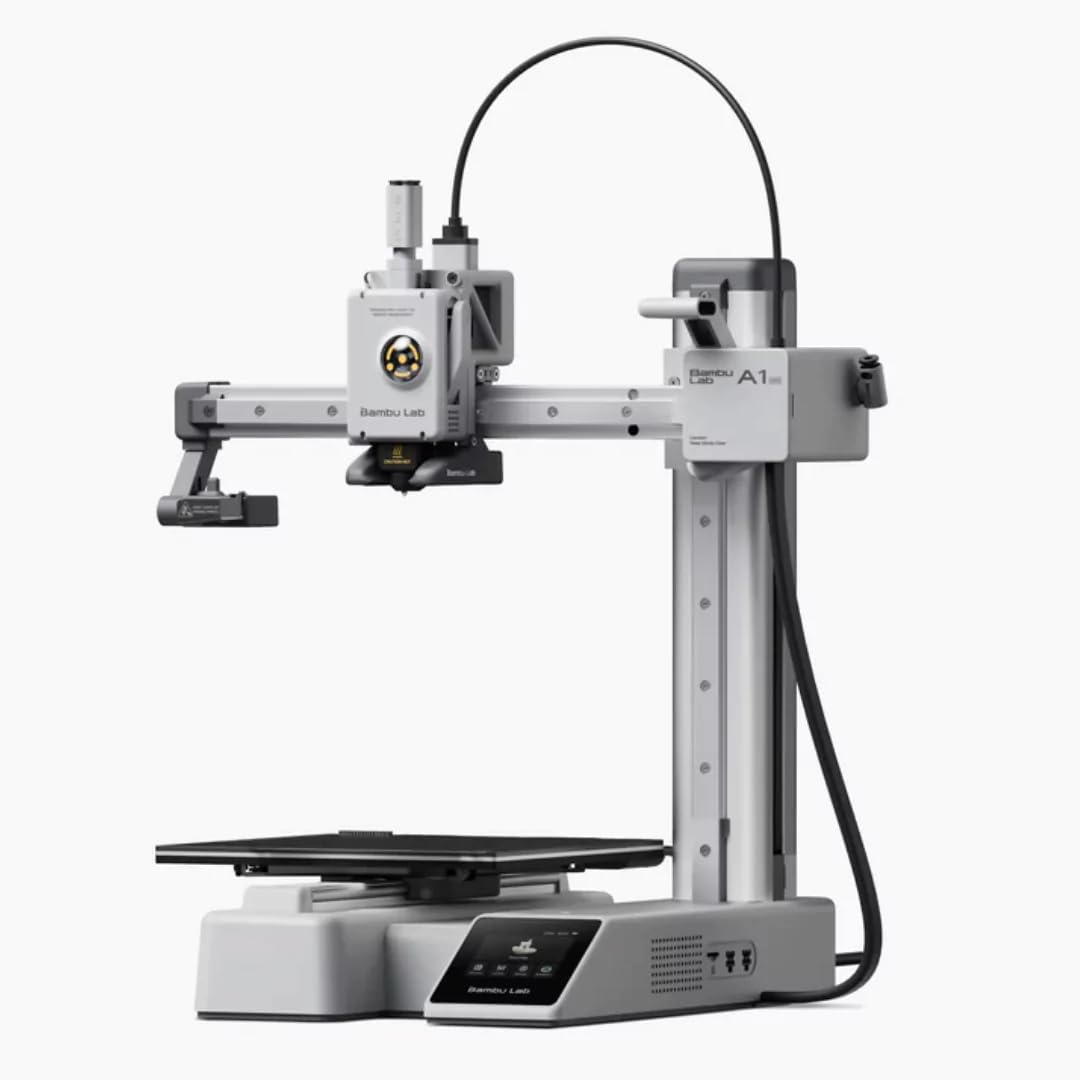
Key Features:
- Build volume: 180 x 180 x 180 mm
- Precision: 0.05mm
- Material compatibility: PLA, ABS, PETG, ASA
The Bambu Lab A1 Mini offers a compact design but packs a punch in terms of accuracy and ease of use. It’s perfect for engineers working on smaller projects but still requires high-quality results.
Compact Design for Engineering Projects
Its small footprint makes it an ideal choice for engineers with limited workspace while still delivering excellent precision for smaller components.
CLICK HERE TO BUY BAMBU LAB A1 MINI 3D PRINTER
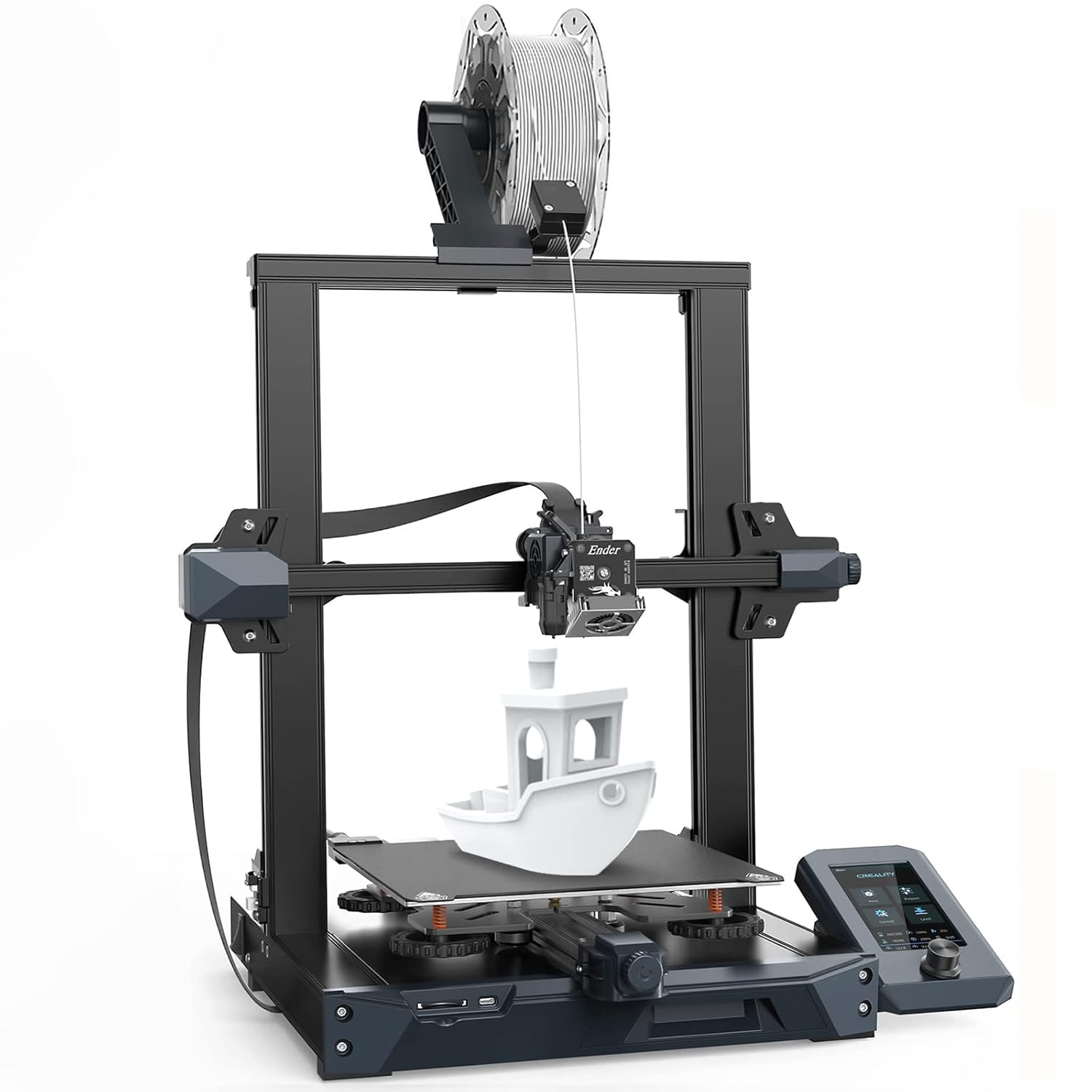
#4: Creality Ender 3 S1
Key Features:
- Build volume: 235 x 235 x 270 mm
- Precision: 0.05mm
- Material compatibility: PLA, TPU, ABS, PETG
The Creality Ender 3 S1 features a direct drive extruder and dual Z-axis, allowing for more accurate and stable prints. This printer is particularly well-suited for projects that require flexible materials or larger builds.
Precision and Durability
Engineers appreciate the dual Z-axis, which provides extra stability, making it one of the best choices for printing large, precise parts without wobble.
CLICK HERE TO BUY CREALITY ENDER 3 S1
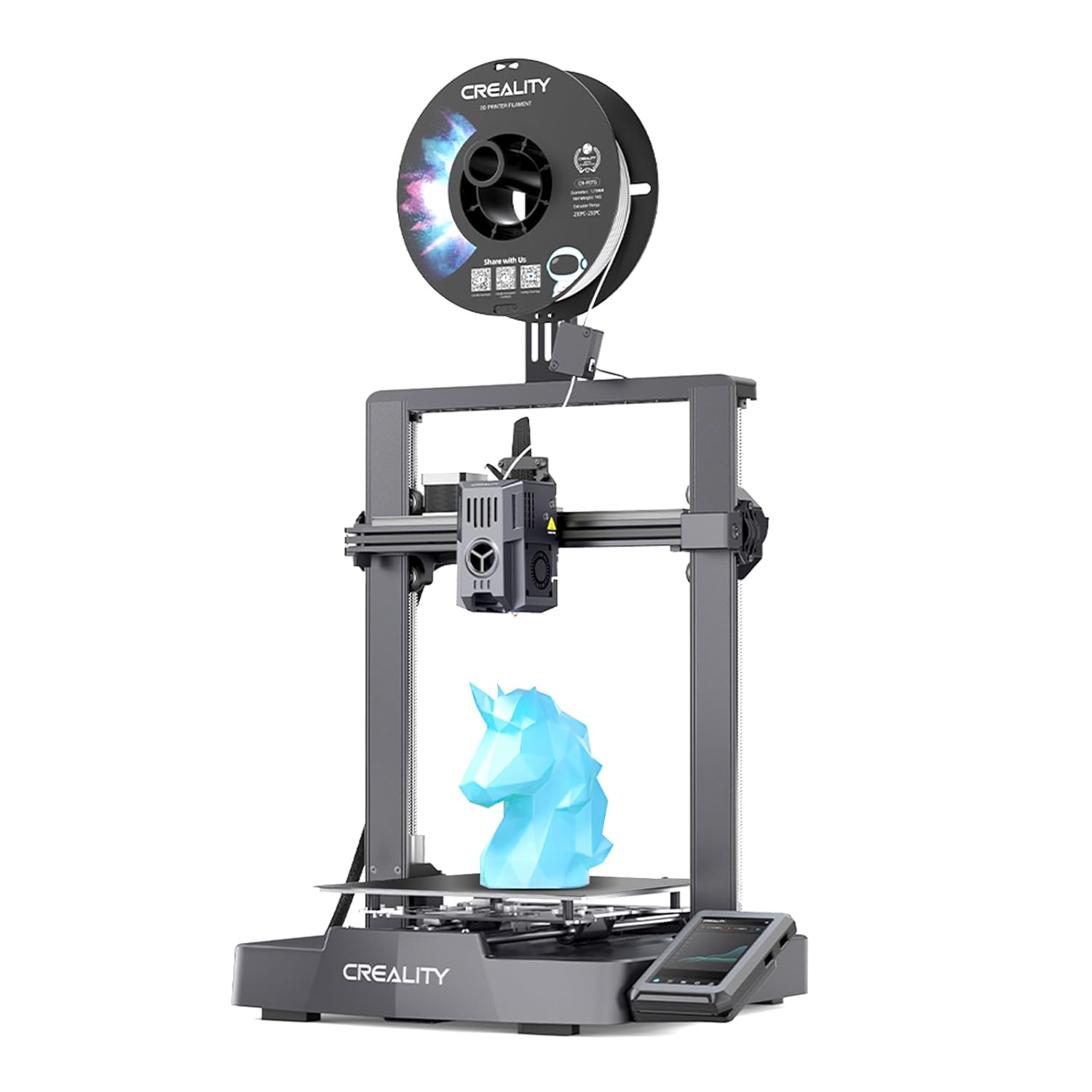
#5: Creality Ender 3 V3 KE
Key Features:
- Build volume: 220 x 220 x 240 mm
- Precision: 0.1mm
- Material compatibility: PLA, ABS
The Creality Ender 3 V3 KE is designed for users who want high-performance features at an affordable price. It offers a great balance between ease of use and advanced features, making it an ideal choice for engineers.
How It Stacks Up for Engineering Projects
The upgraded interface and auto-bed leveling make it easy to use, while its compatibility with various materials makes it versatile for different engineering needs.
CLICK HERE TO BUY CREALITY ENDER 3 V3 KE
Comparing the 5 Printers
When deciding which 3D printer is best for you, consider the specific needs of your engineering projects. Here’s a quick comparison:
- Precision: The Anycubic Kobra 2 Neo and Bambu Lab A1 Mini are top contenders for detailed work.
- Build Volume: If you need to print larger parts, the Creality Ender 3 S1 offers a slightly bigger build volume.
- Material Compatibility: All the printers listed can handle PLA and PETG, but if you need TPU or other flexible filaments, the Ender 3 S1 is a great option.
Choosing the Right Printer for Your Projects
When making your final choice, consider the following:
Defining Your Project Scope
What types of models or prototypes will you be printing? If your projects involve fine details, you’ll need a high-precision machine like the Anycubic Kobra 2 Neo or Bambu Lab A1 Mini.
Long-Term Cost Considerations
Beyond the initial price, consider material costs and any future upgrades you might need.
Community Support and Software Compatibility
Having a strong online community and good customer support is invaluable. Also, ensure the printer is compatible with the CAD and slicer software you plan to use.
How to Optimize Your 3D Printing Results
To get the best performance out of your affordable 3D printer:
Calibration for Accuracy
Ensure your printer is properly calibrated to achieve the best results. Auto-bed leveling can help with this.
Maintenance and Longevity Tips
Regular maintenance, such as cleaning the nozzle and lubricating moving parts, will keep your printer in top shape for years.
Choosing the Best Materials
Select materials that suit your engineering needs. PLA is great for easy prototyping, while ABS and PETG are better for durable parts.
Best Software for 3D Printing and CAD Design
For engineers, using the right software is crucial. Here are some popular options:
- CAD Software: SolidWorks, Fusion 360
- Slicer Software: Cura, PrusaSlicer
Make sure your 3D printer is compatible with your chosen software, and check if the community offers profiles to optimize settings for your specific model.
What’s Next in 3D Printing Technology?
Affordable 3D printing continues to evolve. In the near future, expect printers with even greater precision, faster speeds, and compatibility with advanced materials like carbon fiber composites—all at lower prices.
Conclusion
Finding an affordable 3D printer that balances cost, and precision is crucial for engineers. The five models listed here, from the reliable Creality Ender 3 V2 NEO to the precision-driven Anycubic Kobra 2 Neo, offer excellent value for your investment. Whether you’re working on large-scale prototypes or detailed components, these printers can meet your engineering needs without breaking the bank.
No Need to Invest in a 3D Printer for Low-Volume or One-Time Projects
Are you working on a project that only requires a small number of 3D-printed parts, or do you have a one-time need for printing? Investing in a 3D printer may not be practical for low-quantity orders or occasional requirements. But don’t worry—Crenodez Engineering Solutions has you covered!
With our state-of-the-art 3D printing service, you can get your parts printed quickly and accurately without the upfront cost of purchasing your own equipment. We offer a wide range of 3D printing technologies, including FDM, DLP, SLA, and MJF, so you can choose the best method for your project’s needs. Learn more about the 3D printing technologies we offer.
Plus, we have an extensive material library to ensure your parts are printed with the right material for durability, flexibility, or precision. Check out our material library here.
Don’t let small-volume projects hold you back—Crenodez provides a solution where you can enjoy professional-quality prints without the long-term investment of owning a 3D printer. Visit our 3D printing service page to learn more about how we can help with your next project!
FAQs
What should I look for in an affordable 3D printer for engineering?
How much precision can I expect from budget 3D printers?
What are the common materials used in affordable 3D printers?
How often should I maintain my 3D printer?
What software should I use for engineering design and printing?
Introduction of 3D Printing Cost
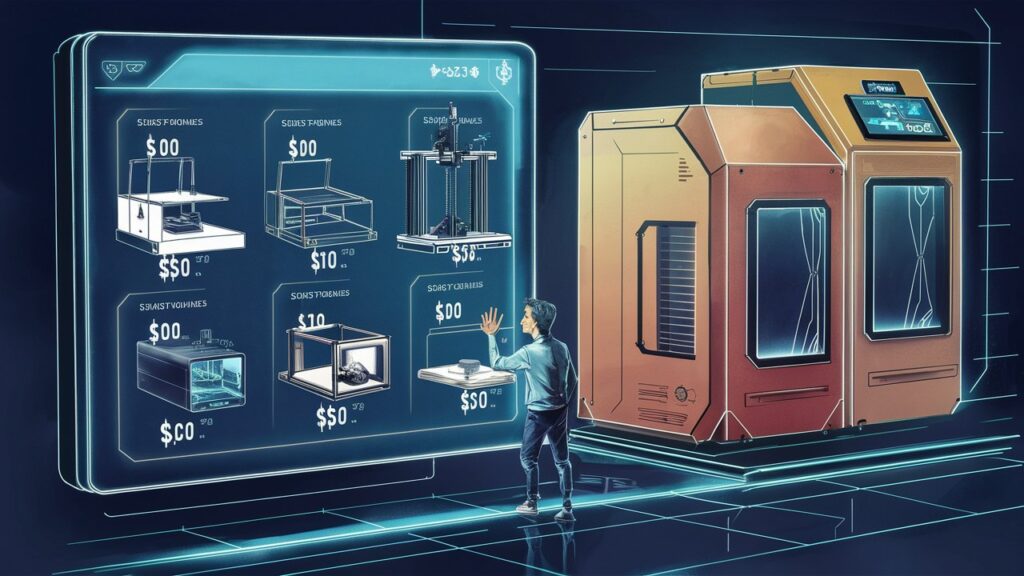
3D printing cost is a crucial factor to consider when exploring this revolutionary technology. 3D printing, also known as additive manufacturing, has revolutionized how we create objects, from simple tools to complex machinery parts. But before diving into the world of 3D printing, it’s crucial to understand the various costs associated with it. This knowledge can help you make informed decisions and manage your budget effectively.
Types of 3D Printing Technologies
Fused Deposition Modeling (FDM)
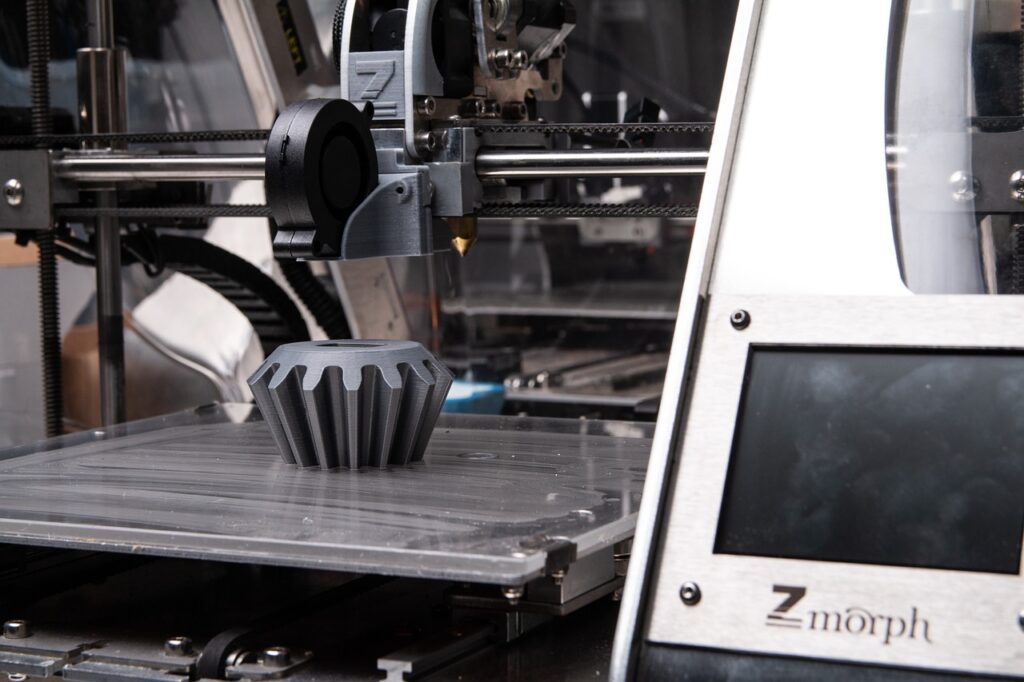
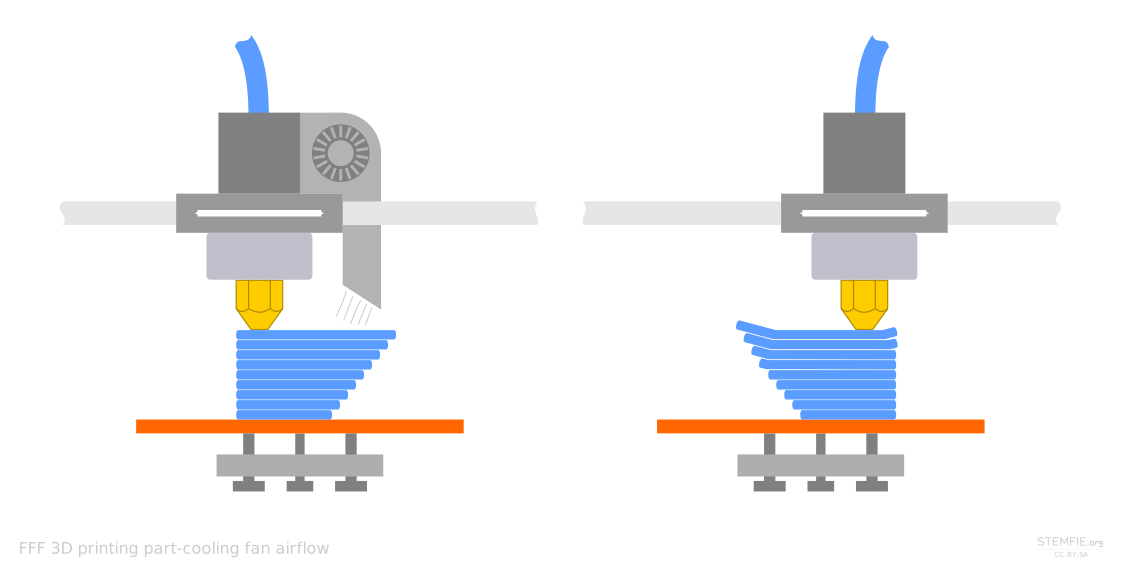
FDM is the most common and accessible 3D printing technology. It uses thermoplastic filaments that are melted and deposited layer by layer to create a part. This technology is popular due to its affordability and ease of use.
Stereolithography (SLA)
SLA uses a laser to cure liquid resin into hardened plastic in a layer-by-layer fashion. It offers high precision and smooth surface finishes, making it ideal for detailed prototypes and models.
Selective Laser Sintering (SLS)
SLS involves the use of a laser to sinter powdered material, binding it together to form a solid structure. This technology is known for producing strong and durable parts, often used in industrial applications.
Others (DLP, PolyJet, etc.)
Other technologies like Digital Light Processing (DLP) and PolyJet offer unique advantages, such as high resolution and multi-material printing. Each technology comes with its own set of costs and benefits.
Initial Investment Costs
3D Printer Purchase
The cost of purchasing a 3D printer can vary widely, from a few hundred dollars for entry-level models to several thousand dollars for industrial-grade machines. The choice depends on your needs and budget.
Software Costs
3D printing requires specialized software for designing and slicing models. Some software options are free, while others require a subscription or one-time purchase fee. Some famous slicer softwares are CURA, Simplified 3D, Prusa Slicer, and Lychee.
Setup and Installation
Setting up a 3D printer involves more than just unboxing it. You may need to invest in additional tools, setup services, and even modifications to your workspace.
Material Costs
Filament for FDM
FDM printers use thermoplastic filaments like PLA, ABS, and PETG. The cost of these materials can range from $20 to $100 per kilogram, depending on the quality and type of filament.
Resin for SLA
SLA printers use liquid resin, which is generally more expensive than filament, costing around $50 to $200 per liter. However, it offers better detail and finish.
Powder for SLS
SLS materials, usually nylon powder, are among the most costly, ranging from $100 to $200 per kilogram. These materials are known for their durability and strength.
Other Materials
Other materials like metal, ceramic, and composite filaments or resins also add to the cost, with prices varying significantly based on the type and quality.
Operational Costs
Electricity Consumption
3D printers consume a considerable amount of electricity, especially during long print jobs. It’s essential to factor in these costs when budgeting.
Maintenance and Repairs
Regular maintenance is necessary to keep your 3D printer running smoothly. This includes replacing worn-out parts, calibration, and potential repair costs.
Labor and Expertise
Operating a 3D printer efficiently requires a certain level of expertise. Whether it’s your time or hiring a specialist, labor costs should be considered.
Post-Processing Costs
Cleaning and Finishing
Post-processing involves cleaning, removing supports, and sanding the printed parts. These tasks can be time-consuming and may require additional tools and materials.
Surface Treatment
Depending on the desired finish, you might need to invest in surface treatment processes like polishing, painting, or coating.
Assembly and Painting
For complex projects, additional assembly and painting might be required, which can add to the overall cost.
Hidden Costs
Failed Prints
Not all prints are successful. Failed prints waste materials and time, contributing to higher overall costs.
Time Costs
3D printing can be a time-consuming process, from designing to printing to post-processing. Time is a valuable resource that should be accounted for.
Learning Curve
There is a learning curve associated with 3D printing. Time spent learning and troubleshooting is another hidden cost to consider.
Cost Comparison: In-House vs. Outsourcing
Pros and Cons of In-House Printing
In-house printing offers control and flexibility but comes with high initial and operational costs. It’s ideal for frequent, customized printing needs.
Pros and Cons of Outsourcing
Outsourcing can be cost-effective for occasional or large-scale projects. However, it might lack the flexibility and control of in-house printing.
Reducing 3D Printing Costs
Optimizing Design
Design optimization can reduce material usage and printing time, leading to cost savings.
Bulk Printing
Printing in bulk can lower the per-unit cost and maximize the use of materials and time.
Recycling and Reusing Materials
Recycling failed prints and leftover materials can help reduce costs and waste.
Industry-Specific Costs
Medical Industry
The medical industry often requires biocompatible materials and precise prints, leading to higher costs.
Automotive Industry
Automotive applications demand durable and high-performance materials, which can be expensive.
Consumer Goods
For consumer goods, the focus is often on aesthetics and functionality, with a range of material costs.
Future Trends in 3D Printing Costs
Technological Advancements
Advancements in technology are likely to bring down costs over time while improving quality and speed.
Market Dynamics
As the market grows and competition increases, we can expect a reduction in prices for both equipment and materials.
Conclusion
Understanding the true 3D printing cost is crucial for making informed decisions. From initial investments to hidden costs, being aware of all factors can help you budget effectively and get the most out of your 3D printing endeavors.
FAQs
What is the cheapest 3D printing technology?
How can I reduce material costs in 3D printing?
Is 3D printing cost-effective for small businesses?
What are the most common hidden costs in 3D printing?
How does outsourcing 3D printing compare to in-house printing in terms of cost?
Introduction
The rise of 3D printing in Chennai is a testament to the city’s growing technological prowess. Once considered a futuristic concept, 3D printing is now revolutionizing various industries across Chennai. But why has Chennai become a hotspot for this innovative technology?

History of 3D Printing in chennai
Evolution Over the Decades
Since its inception, 3D printing has evolved significantly. Initially used for simple plastic prototypes, it now caters to complex metal parts and is widely adopted in sectors such as healthcare and aerospace. This evolution has made 3D printing more accessible and versatile.
Understanding 3D Printing Technology
How 3D Printing Works
At its core, 3D printing involves creating a three-dimensional object by layering materials based on a digital design. Starting with a 3D model created using CAD software, the printer reads the design and layers material until the object is complete.
Different Types of 3D Printing Technologies
- Stereolithography (SLA): Uses UV light to cure layers of photopolymer resin.
- Selective Laser Sintering (SLS): Fuses powdered material using a laser.
- Fused Deposition Modeling (FDM): Extrudes melted thermoplastic to build objects layer by layer.
- Direct Metal Laser Sintering (DMLS): Similar to SLS but for metal powders.
- Multijet Fusion (MJF): For high quality production grade plastic parts
The 3D Printing Industry in Chennai
Key Players and Startups
Chennai is home to several key players in the 3D printing industry. Companies like Primaeam and 3Ding, are driving innovation and making 3D printing accessible to a broad audience. These startups are crucial in promoting the growth of this technology in the city.
Government Initiatives
The Tamil Nadu government has recognized the potential of 3D printing and is supporting the industry through various initiatives. These include subsidies, innovation hubs, and partnerships between academia and industry, fostering a conducive environment for growth.
Applications of 3D Printing in Chennai
In Healthcare
In Chennai, 3D printing is transforming healthcare. Hospitals are using it for patient-specific implants, prosthetics, and surgical planning, leading to improved outcomes and cost reductions.
In Education
Educational institutions in Chennai are integrating 3D printing into their curriculum. This hands-on approach prepares students for future careers in engineering, design, and manufacturing, equipping them with essential skills.
In Manufacturing
Manufacturers in Chennai leverage 3D printing for rapid prototyping, reducing the time and cost involved in product development. This technology enables the creation of complex geometries that traditional methods cannot achieve.
In Art and Design
Artists and designers in Chennai are exploring 3D printing to push creative boundaries. From intricate jewelry designs to large-scale sculptures, 3D printing offers new possibilities for artistic expression.
Advantages of 3D Printing
Cost Efficiency
3D printing significantly reduces production costs, especially for small runs and prototypes. It eliminates the need for expensive molds and tooling, making it an economical choice.
Customization
One of the most significant advantages of 3D printing is the ability to create customized products tailored to individual needs. This is particularly beneficial in healthcare and consumer goods.
Speed of Production
3D printing produces parts much faster than traditional manufacturing methods. This speed is crucial in industries where time-to-market is a critical factor, providing a competitive edge.
Challenges and Limitations
Technical Challenges
Despite its advantages, 3D printing faces technical challenges. These include limitations in material properties, surface finish quality, and the size of printable objects, which can hinder its widespread adoption.
Economic Barriers
The initial cost of 3D printers and materials can be high, posing a barrier for small businesses and startups. Overcoming these economic barriers is essential for broader adoption.
Regulatory Issues
Regulatory hurdles, especially in industries like healthcare, where standards and approvals are stringent, can slow down the adoption of 3D printing. Addressing these issues is vital for the technology’s growth.
The Future of 3D Printing in Chennai
Emerging Trends
Chennai is poised to lead several emerging trends in 3D printing. These include bioprinting, which involves printing with biological materials to create tissues and organs, and the use of advanced materials like graphene, which offer new possibilities.
Potential for Growth
The potential for growth in Chennai’s 3D printing industry is immense. With continued investment and innovation, Chennai could become a global leader in this technology, driving further advancements and applications.
Conclusion
Chennai is rapidly becoming a hotspot for 3D printing innovation. With a strong ecosystem of startups, supportive government policies, and a growing talent pool, the city is well-positioned to harness the full potential of this technology. As 3D printing continues to evolve, Chennai’s role in this exciting journey is only set to grow.
FAQs
What is 3D Printing?
How is 3D Printing Beneficial?
Who are the Major Players in Chennai’s 3D Printing Scene?
What are the Challenges of 3D Printing?
What Does the Future Hold for 3D Printing in Chennai?
Introduction
The world of 3D printing has captured the imaginations of engineers, artists, and hobbyists, revolutionizing manufacturing and design. But how does 3D printing work? In this in-depth article, we will unravel the mysteries behind this cutting-edge technology, exploring its history, applications, and the intricate process behind it. Join us as we delve into the world of 3D printing and uncover its power to transform ideas into reality.
Unleashing the Power of 3D Printing: Demystifying the Process Unveiled
What is 3D Printing?
3D printing, also known as additive manufacturing, is a process of creating three-dimensional objects from a digital file. Unlike traditional manufacturing techniques that involve cutting or drilling away materials from a solid block, 3D printing builds objects layer by layer, adding material only where it is needed. This results in minimal waste, greater design freedom, and the ability to create complex geometries that were once impossible.
Also, check out this article for additional information: 3D Printing: What It Is, How It Works and Examples | Built In
The History of 3D Printing
The roots of 3D printing can be traced back to the 1980s when the first patent for an additive manufacturing process was filed. However, it wasn’t until the early 2000s that 3D printing started gaining traction in various industries. As the technology advanced, the cost of 3D printers decreased, making it accessible to a wider audience.
How Does 3D Printing Work?
Step 1: Designing the 3D Model
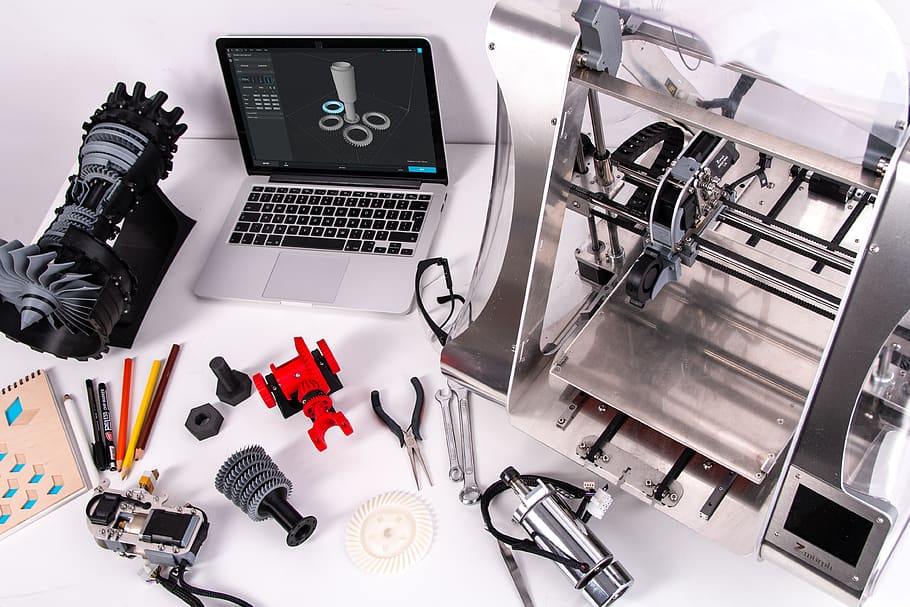
The first step of how does 3D printing work is: The 3D printing process begins with creating a digital 3D model of the object to be printed. This can be achieved using computer-aided design (CAD) software or by 3D scanning an existing object. The 3D model serves as a blueprint for the printer to follow.
Step 2: Slicing the Model
The second step of how does 3D printing work is: Before printing, the 3D model is sliced into thin horizontal layers using slicing software. Each layer is a cross-section of the object, and these layers are what the 3D printer will use as a guide to build the final object.
Step 3: Selecting the Printing Material
The third step of how does 3D printing work is: There are various materials available for 3D printing, including plastics, metals, ceramics, and even food items. The choice of material depends on the desired properties of the final object, such as strength, flexibility, or heat resistance.
Step 4: Printing the Object
The fourth step of how does 3D printing work is: The 3D printer starts the printing process by laying down the first layer of material, following the instructions from the sliced model. The printer adds subsequent layers on top of each other until the entire object is formed.
Step 5: Post-Processing
The fifth step of how does 3D printing work is: Once the printing is complete, the object may require some post-processing, such as removing support structures, smoothing the surface, or applying finishing touches to achieve the desired aesthetics.
If you are looking to 3D print the components which you have design then visit this page Best 3D Printing Service | Crenodez Engineering Solutions to get high quality 3D prints from their state of the art 3D printing facility.
Applications of 3D Printing
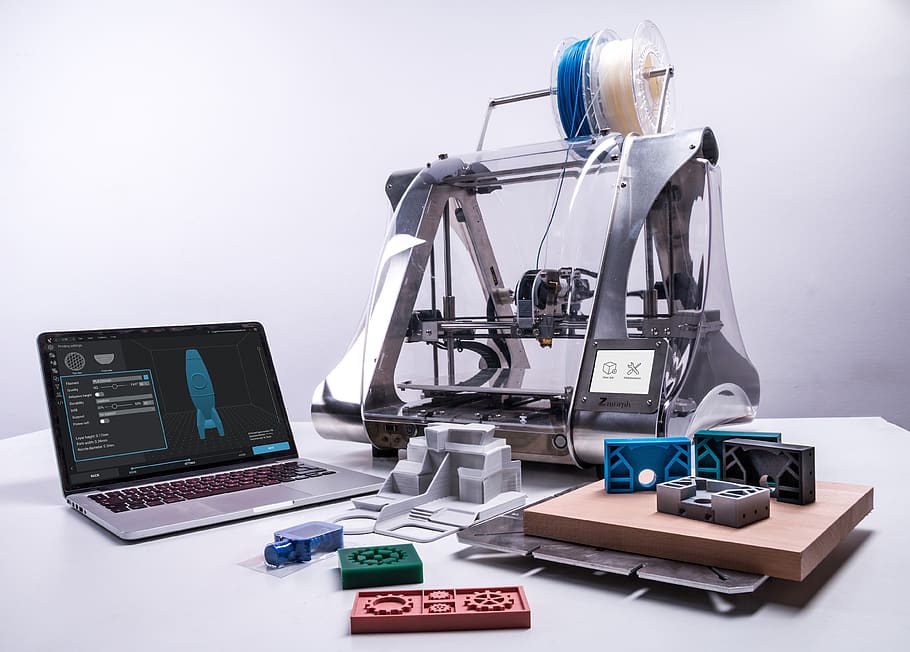
As we saw how does 3D printing work in the previous section, let us now look further on the applications of 3D printing. 3D printing has found applications in a wide range of industries, revolutionizing the way products are designed and manufactured. Some of the key applications include:
- Prototyping: 3D printing allows rapid prototyping, enabling designers and engineers to test and refine their ideas quickly and cost-effectively.
- Medical: From creating custom prosthetics to printing human organs for transplantation, 3D printing is transforming healthcare.
- Aerospace: The aerospace industry uses 3D printing to produce lightweight and complex components, improving fuel efficiency and reducing costs.
- Automotive: Car manufacturers use 3D printing to create prototypes, custom parts, and even entire vehicles.
- Art and Fashion: Artists and fashion designers are pushing the boundaries of creativity with 3D-printed sculptures, accessories, and clothing.
Advantages of 3D Printing
Design Freedom
With 3D printing, designers are not limited by traditional manufacturing constraints. Complex and intricate shapes can be created without increasing production costs.
Cost-Effective
For low-volume production or custom items, 3D printing can be more cost-effective than traditional manufacturing methods.
Rapid Prototyping
3D printing allows for rapid prototyping, reducing the time it takes to go from concept to a physical product.
Reduced Waste
Traditional manufacturing methods often result in a significant amount of waste material. 3D printing only uses the material required for the object, minimizing waste.
Accessibility
As 3D printing technology becomes more affordable, it is becoming accessible to individuals and small businesses, democratizing manufacturing.
Limitations of 3D Printing
Speed
3D printing can be a slow process, especially for large or intricate objects, which may require hours or even days to print.
Material Limitations
While 3D printing offers a wide range of materials, some specialized materials may not be available for certain printers.
Post-Processing Requirements
Certain 3D prints may require additional post-processing steps to achieve the desired finish, adding time and effort to the overall production.
Quality and Resolution
The resolution and quality of 3D prints may not match the precision of some traditional manufacturing methods.
FAQs
Q: Is 3D printing suitable for mass production?
A: While 3D printing is ideal for low-volume production and prototyping, it may not be as efficient or cost-effective as traditional mass production methods for large quantities.
Q: Can I 3D print objects at home?
A: Yes, there are consumer-grade 3D printers available that allow individuals to create small objects at home.
Q: What materials can be used in 3D printing?
A: 3D printing materials include plastics, resins, metals, ceramics, and even biological materials.
Q: Is 3D printing environmentally friendly?
A: Compared to traditional manufacturing, 3D printing can be more environmentally friendly due to reduced waste and energy consumption.
Q: Are there any size limitations in 3D printing?
A: The size of objects that can be 3D printed is determined by the dimensions of the 3D printer’s build platform.
Q: Can 3D printing be used for architectural modeling?
A: Yes, 3D printing is widely used in architecture for creating detailed scale models and prototypes.
Conclusion
Unleashing the power of 3D printing has transformed industries and empowered creative minds to bring their ideas to life. The process of 3D printing, once shrouded in mystery, has been unveiled, and its potential is boundless. As technology continues to advance, we can expect even more exciting applications and innovations in the world of 3D printing. So, whether you’re an engineer, artist, or simply curious about this transformative technology, take the plunge and explore the world of 3D printing for yourself.
If you are looking for high quality 3D printing service, you are highly recommended to visit Best 3D Printing Service | Crenodez Engineering Solutions
History of 3D Printing: Introduction
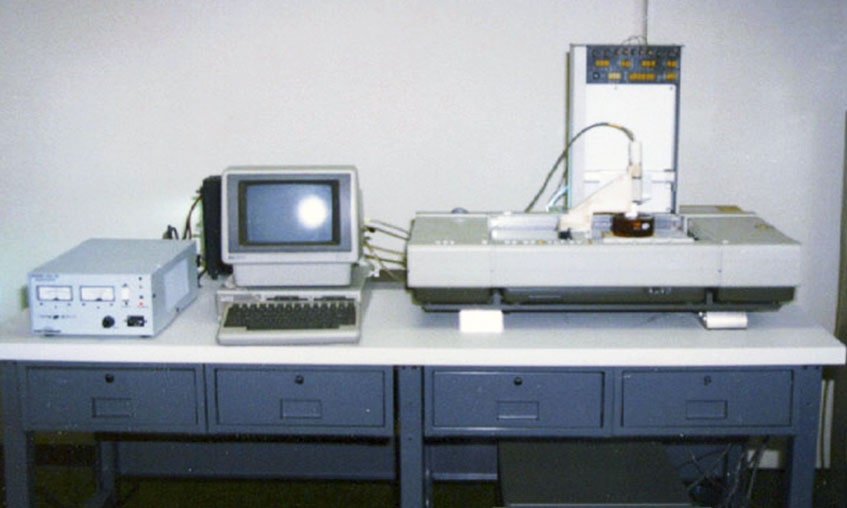
The remarkable journey of 3D printing, a revolutionary technology that has captivated engineers, designers, and enthusiasts alike, began in the early 1980s. This article will delve into the intriguing history of 3D printing, from its conceptualization to its widespread adoption across various industries and applications.
1. The Genesis of 3D Printing: History of 3D Printing
1.1 The Birth of an Idea
The roots of 3D printing can be traced back to the visionary mind of Chuck Hull, an American engineer who invented the first 3D printing process known as “stereolithography.” The concept involved building three-dimensional objects layer by layer using thin materials.
1.2 Pioneering Technologies
Chuck Hull’s invention laid the groundwork for future advancements, and other pioneers also played significant roles. Scott Crump, often hailed as the “Father of 3D Printing,” introduced Fused Deposition Modeling (FDM), a technique that would later pave the way for widespread 3D printing adoption.
2. The Evolution of 3D Printing: History of 3D Printing
2.1 From Prototypes to Production
Initially, 3D printing served primarily as a means to create prototypes and visualize concepts. However, as the technology evolved, it ventured into the realm of production. Industries such as aerospace, automotive, and medical embraced 3D printing to manufacture functional end-use components with high precision.
2.2 Expanding Material Possibilities
In its early stages, 3D printing predominantly utilized plastics. Over time, researchers and engineers explored various materials, including metals, ceramics, biocompatible polymers, and even food, broadening the horizons of what could be achieved through this innovative technology.
2.3 The Rise of Consumer 3D Printing
With the expiration of key patents, consumer-grade 3D printers became more accessible and affordable. This led to a surge of interest among hobbyists, educators, and DIY enthusiasts, who began exploring the possibilities of 3D printing in the comfort of their homes.
3. Transformative Applications of 3D Printing: History of 3D Printing
3.1 Healthcare Innovations
The field of healthcare has experienced a profound impact from 3D printing. The technology has enabled the creation of patient-specific medical implants, prosthetics, surgical guides, and anatomical models. This customization has significantly improved patient outcomes and reduced surgical risks.
3.2 Impact on Aerospace
The aerospace industry has embraced 3D printing for its ability to create lightweight yet robust components. By reducing the weight of aircraft parts, airlines can achieve better fuel efficiency and, consequently, reduce their environmental footprint.
3.3 Architecture and Construction
In the realm of architecture and construction, 3D printing has opened new avenues for creativity and efficiency. The technology allows for the construction of intricate architectural models, as well as the fabrication of building components with reduced material waste.
3.4 3D Printing in Education
Educational institutions have leveraged 3D printing to enhance the learning experience for students. The technology enables hands-on exploration of complex concepts, fosters creativity, and prepares the next generation for a future where 3D printing will be integral to various industries.
4. Challenges and Future Prospects: History of 3D Printing
4.1 Overcoming Material Limitations
While 3D printing has come a long way in terms of material options, there are still challenges in effectively 3D printing certain materials. Researchers and scientists continue to work on developing new materials and refining existing ones to overcome these limitations.
4.2 Intellectual Property Concerns
The ease of replicating objects using 3D printing has raised concerns over intellectual property rights. As the technology becomes more widespread, there is a need for clear regulations to protect creators’ rights and prevent unauthorized duplication of copyrighted designs.
4.3 Scaling Up Production
As demand for 3D-printed products grows, manufacturers face the challenge of scaling up production while maintaining consistent quality standards. Industrial 3D printing solutions and optimized production processes will be vital in meeting this challenge.
Conclusion
The history of 3D printing is a fascinating journey from concept to reality. From its humble beginnings as a prototyping tool to its transformation into a game-changing technology across diverse industries, 3D printing has revolutionized the way we design, create, and manufacture objects. As the technology continues to advance, we can only anticipate even more groundbreaking applications in the future.
Can 3D printing be used in the creation of human organs?
What industries benefit the most from 3D printing?
Is consumer 3D printing affordable for hobbyists?
Can 3D printing help in reducing carbon emissions?
Are there any environmental concerns related to 3D printing?
To explore more about 3D printing services visit: Best 3D Printing Service in Chennai
Introduction
In recent years, 3D printing has taken the world by storm, revolutionizing various industries and sparking curiosity among enthusiasts and professionals alike. This cutting-edge technology has gone beyond being a mere novelty and has become a game-changer in fields such as manufacturing, medicine, architecture, and more. In this article, we’ll delve into the wonders of 3D printing, exploring its history, applications, benefits, and the incredible potential it holds for the future.
1. Understanding 3D Printing
Before we dive into its wonders, let’s comprehend what 3D printing is all about. Also known as additive manufacturing, 3D printing is a process that creates three-dimensional objects layer by layer from a digital model. Unlike traditional subtractive manufacturing methods, which involve cutting and shaping materials, 3D printing adds material only where it is needed, resulting in reduced waste and increased efficiency.
For More details on understanding 3D printing visit: What Is 3D Printing and How Does It Work? | Mashable Explains – YouTube
2. A Brief History of 3D Printing
The roots of 3D printing can be traced back to the 1980s when the technology was first conceptualized. However, it wasn’t until the early 2000s that 3D printing began to gain significant traction. As patents expired and the technology became more accessible, it sparked an explosion of innovation and experimentation in various industries.
3. Applications in Manufacturing
One of the most significant impacts of 3D printing is seen in the manufacturing sector. The ability to produce complex and customized components with ease has streamlined the production process for many companies. From aerospace to automotive industries, 3D printing has facilitated rapid prototyping, reduced lead times, and even cut down costs.
4. 3D Printing in Medicine
The medical field has been revolutionized by 3D printing, offering groundbreaking advancements in patient care. Custom prosthetics, implants, and medical models are now readily available, providing more personalized and effective treatments. Surgeons can use 3D-printed models to plan complex surgeries with enhanced precision, resulting in better outcomes for patients.
5. Innovations in Architecture
Architects and engineers are also reaping the benefits of 3D printing technology. The ability to create intricate and accurate scale models allows for better visualization and understanding of complex designs. Moreover, 3D printing has opened up possibilities for sustainable and affordable housing solutions in various parts of the world.
6. Educational and Artistic Applications
3D printing has found its way into classrooms and studios, becoming a powerful educational tool and a medium for artistic expression. Students can now bring their ideas to life, transforming theoretical concepts into tangible objects. Artists and designers are pushing the boundaries of creativity, crafting unique sculptures and artwork that were once deemed impossible.
7. Environmental Impact
Beyond its impressive applications, 3D printing is making strides in sustainability efforts. With a reduction in material waste and energy consumption compared to traditional manufacturing, it offers a more eco-friendly approach to production. Additionally, the ability to recycle and reuse materials in 3D printing further contributes to a greener future.
8. Challenges and Limitations
While 3D printing has immense potential, it is essential to acknowledge its challenges and limitations. Print speed, material choices, and scalability remain areas of improvement. Ensuring the quality and safety of 3D-printed medical devices is a crucial concern that demands ongoing research and regulation.
9. The Future of 3D Printing
As technology continues to evolve, the future of 3D printing is brimming with possibilities. Advancements in materials, printing techniques, and software are expected to propel this industry even further. From printing human organs to constructing entire buildings, the potential is boundless.
Conclusion
In conclusion, the wonders of 3D printing are transforming how we create, build, and innovate. This technology has permeated numerous industries, offering novel solutions, driving sustainability, and pushing the boundaries of human imagination. As 3D printing continues to evolve, it will undoubtedly shape a brighter and more exciting future for us all. So, buckle up and prepare to witness the incredible journey of 3D printing unfold before our eyes.
For more information on the best 3D printing services in Chennai, visit Crenodez. We offer a wide range of high-quality 3D printing services to meet your needs in Chennai and beyond.