Bridge the gap between rapid prototyping and mass production. Crenodez provides comprehensive plastic and composite manufacturing solutions, delivering robust, end-use components for global supply chains through an ISO 9001 certified workflow.
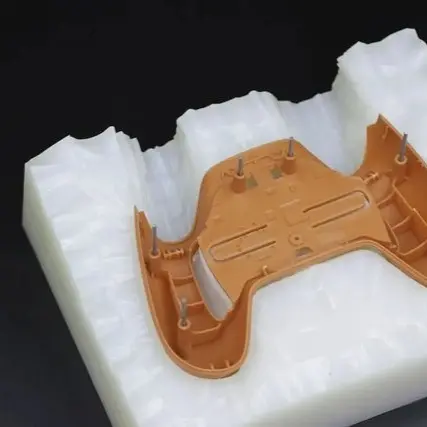
Forming and tooling involve creating physical molds, patterns, and metal dies to shape raw plastics and composites into final end-use parts. While 3D printing is exceptional for iteration, true production scalability requires dedicated tooling. At Crenodez, we don't just run the machines; our engineers conduct strict DFM (Design for Manufacturing) analysis, fabricate the custom molds, and execute the production runs, ensuring your transition to high-volume manufacturing is seamless and cost-effective.
Selecting the right manufacturing process drastically impacts your per-part cost and tooling ROI. Use our matrix to find the optimal bridge or mass-production solution.
| Technology | Ideal Volume | Tooling Type | Typical Lead Time | Best Used For |
|---|---|---|---|---|
| Vacuum Casting | 10 – 50 parts | Silicone Molds (Soft Tooling) | 7 – 12 Days | High-fidelity prototypes, pre-clinical testing, urethanes. |
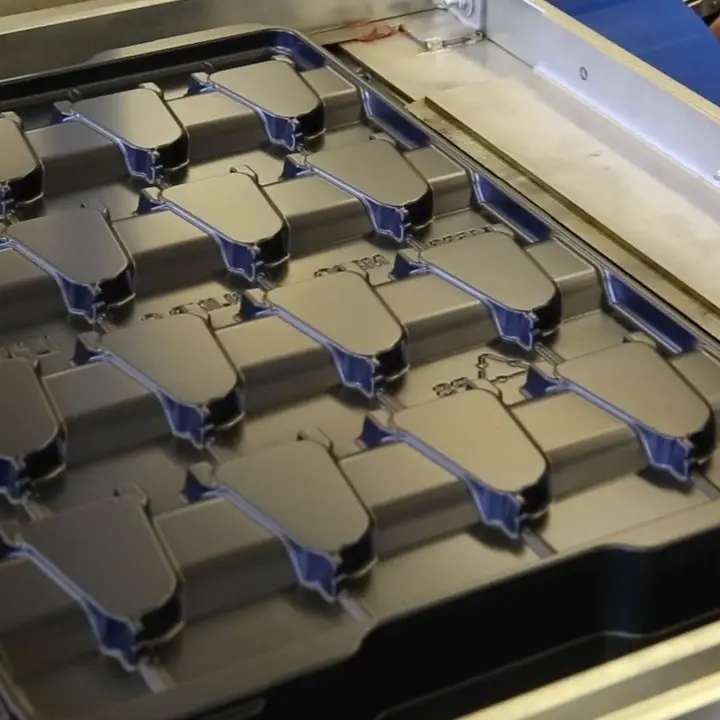
| Vacuum Forming | 50 – 500+ parts | Wood, Epoxy, or Aluminum | 2 – 3 Weeks | Large, thin-walled enclosures, packaging, trays. |
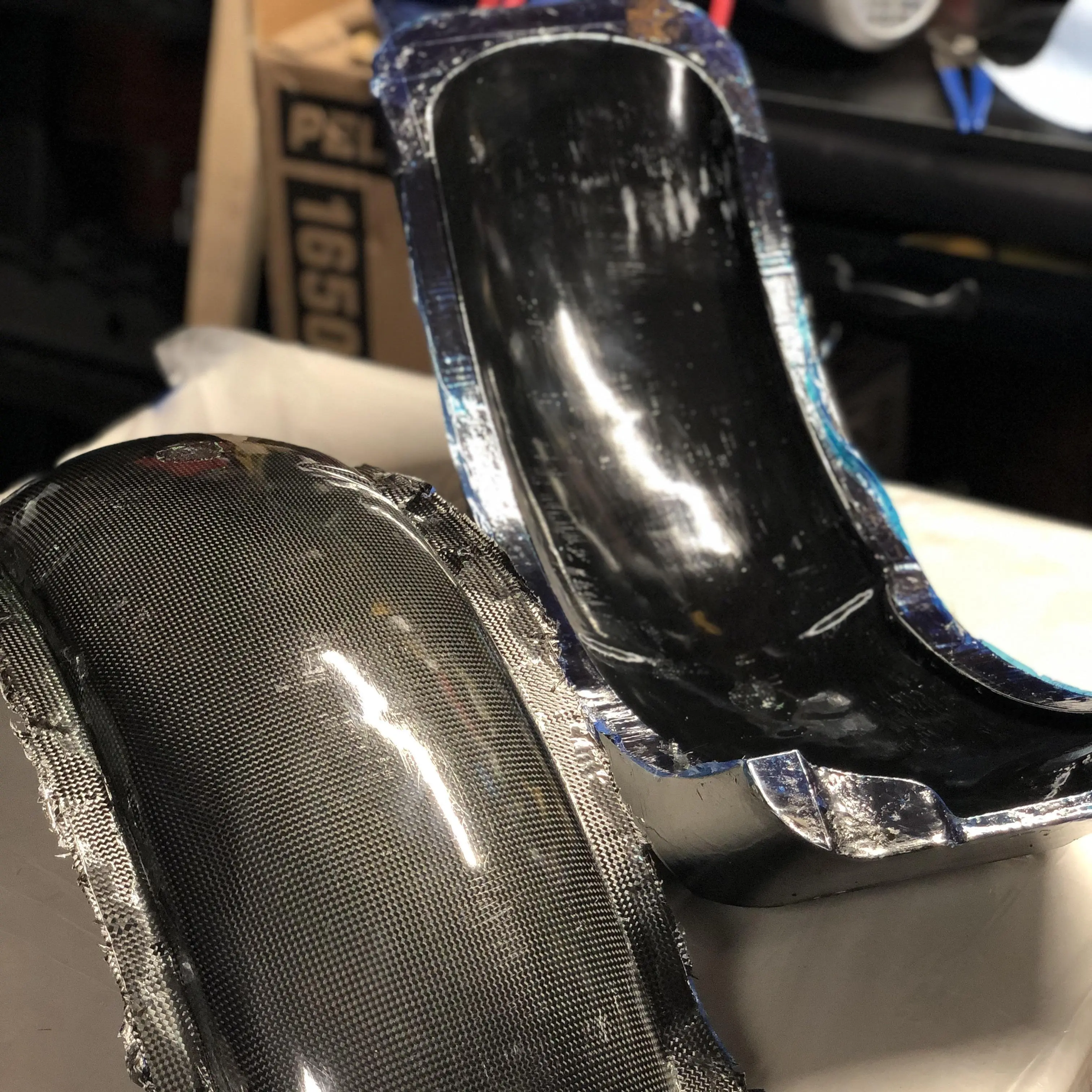
| FRP Moulding | 10 – 500+ parts | Fiberglass/Composite Molds | 3 – 4 Weeks | Massive, ultra-rigid panels, automotive bodies, radomes. |
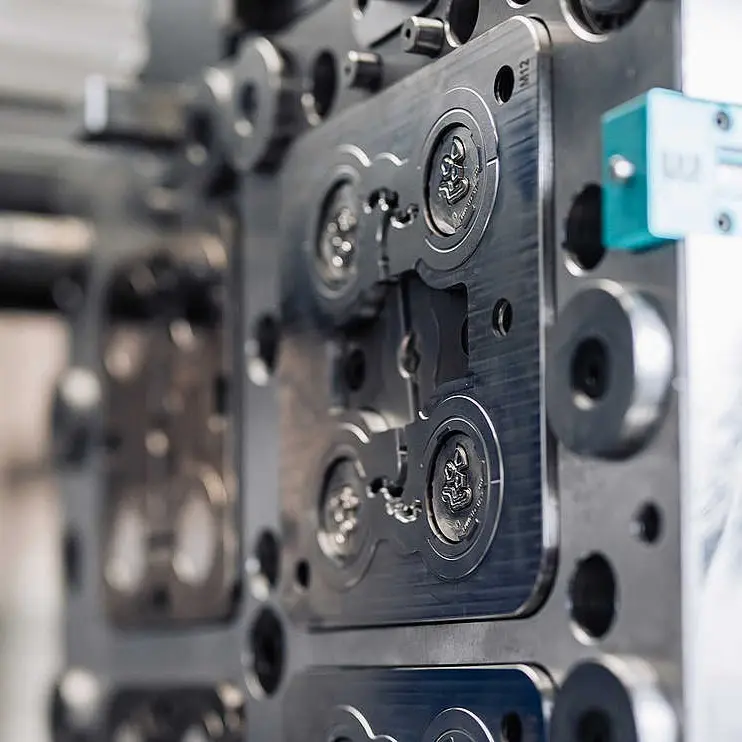
| Injection Moulding | 1,000 – 100,000+ parts | Steel or Aluminum Dies (Hard Tooling) | 4 – 8 Weeks | High-volume mass production, complex precise plastics. |

Utilize silicone soft-tooling to cast highly accurate polyurethane parts. The perfect bridge tooling solution for 10-50 parts that mimic injection-molded quality.
Explore Vacuum Casting →
Thermoform plastic sheets over custom bucks to create large, durable enclosures, custom packaging, and lightweight protective covers.
Explore Vacuum Forming →
Fiber-Reinforced Plastic composite manufacturing for massive, ultra-rigid, and lightweight structures used heavily in mobility and aerospace.
Explore FRP Moulding →
The ultimate mass-production solution. We design and machine custom steel and aluminum dies for high-volume, cost-effective thermoplastic manufacturing.
Explore Injection Moulding →You upload the CAD file. Our engineers analyze draft angles, wall thicknesses, and shrinkage rates to ensure the geometry is optimized for tooling.
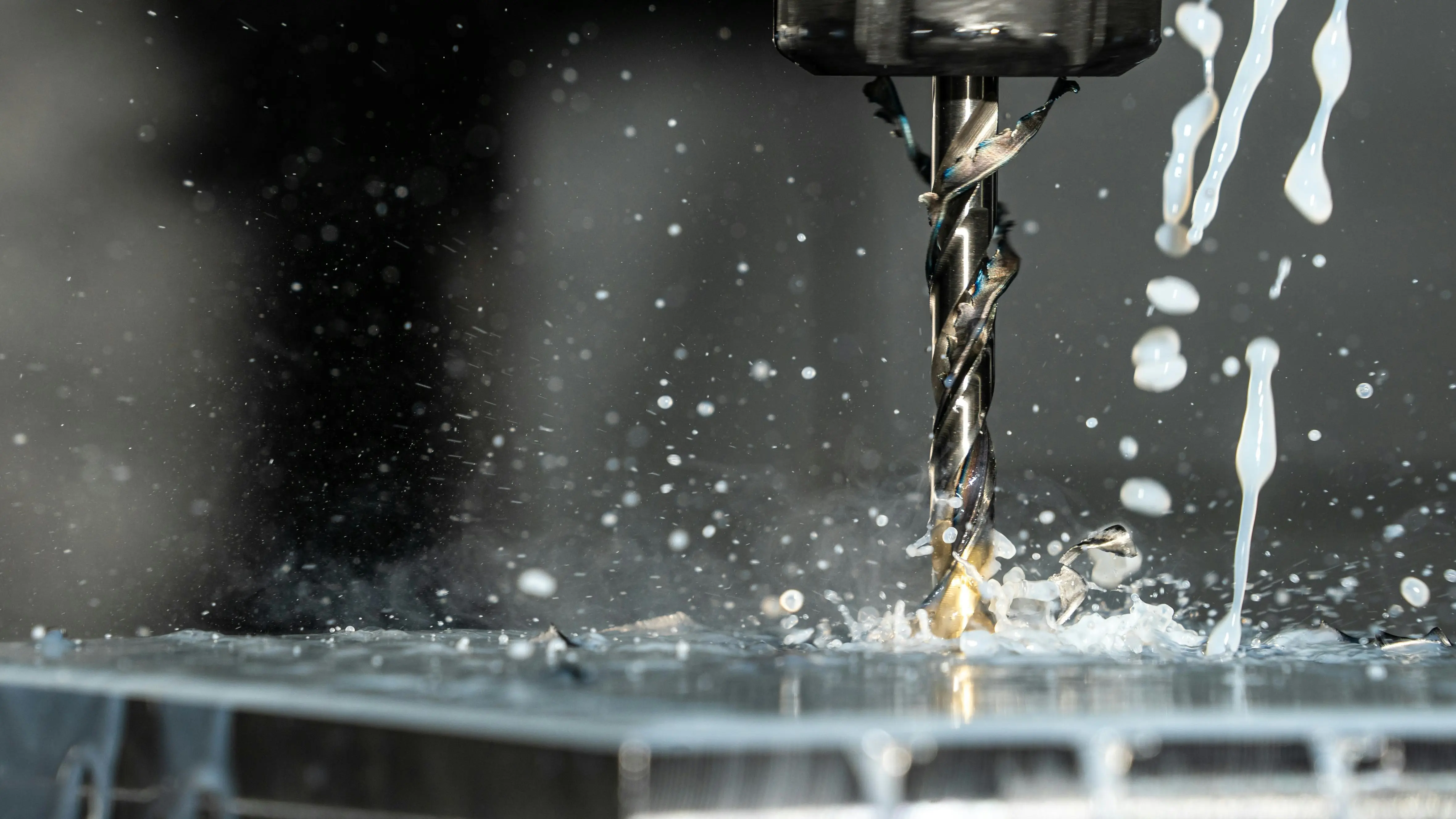
Using our advanced Additive Manufacturing or CNC hubs, we fabricate a flawless master pattern required to create the mold.
We create the physical tooling—whether it is a fast silicone mold for vacuum casting or a hardened steel die for injection moulding.
We run the production batch, applying necessary post-processing, painting, or texturing before delivering ISO-certified components globally.
We source premium raw materials to ensure parts survive harsh mechanical, thermal, and chemical environments.
A: Bridge tooling is a rapid manufacturing process used to "bridge the gap" between final prototyping and full-scale mass production. Technologies like Vacuum Casting provide 10 to 50 high-quality parts for market testing before you commit significant capital to expensive steel injection molds.
A: Typically, 3D printing is most cost-effective for quantities under 500 units (depending on part size). When your demand exceeds 1,000 identical parts, the high initial cost of cutting a steel injection mold is offset by the drastically lower per-part manufacturing cost.
A: Yes. We offer comprehensive engineering and mold design services. Our team will review your product CAD and modify it specifically for forming and tooling, adding necessary draft angles, ribs, and evaluating gating locations.