Scale your production of large, thin-walled plastic components rapidly. Crenodez provides comprehensive heavy-gauge thermoforming and industrial vacuum forming services. Engineered for clients requiring structural enclosures up to 1500mm, custom packaging trays, or automotive panels, our managed network delivers perfectly formed and CNC-trimmed parts for high-volume supply chains.
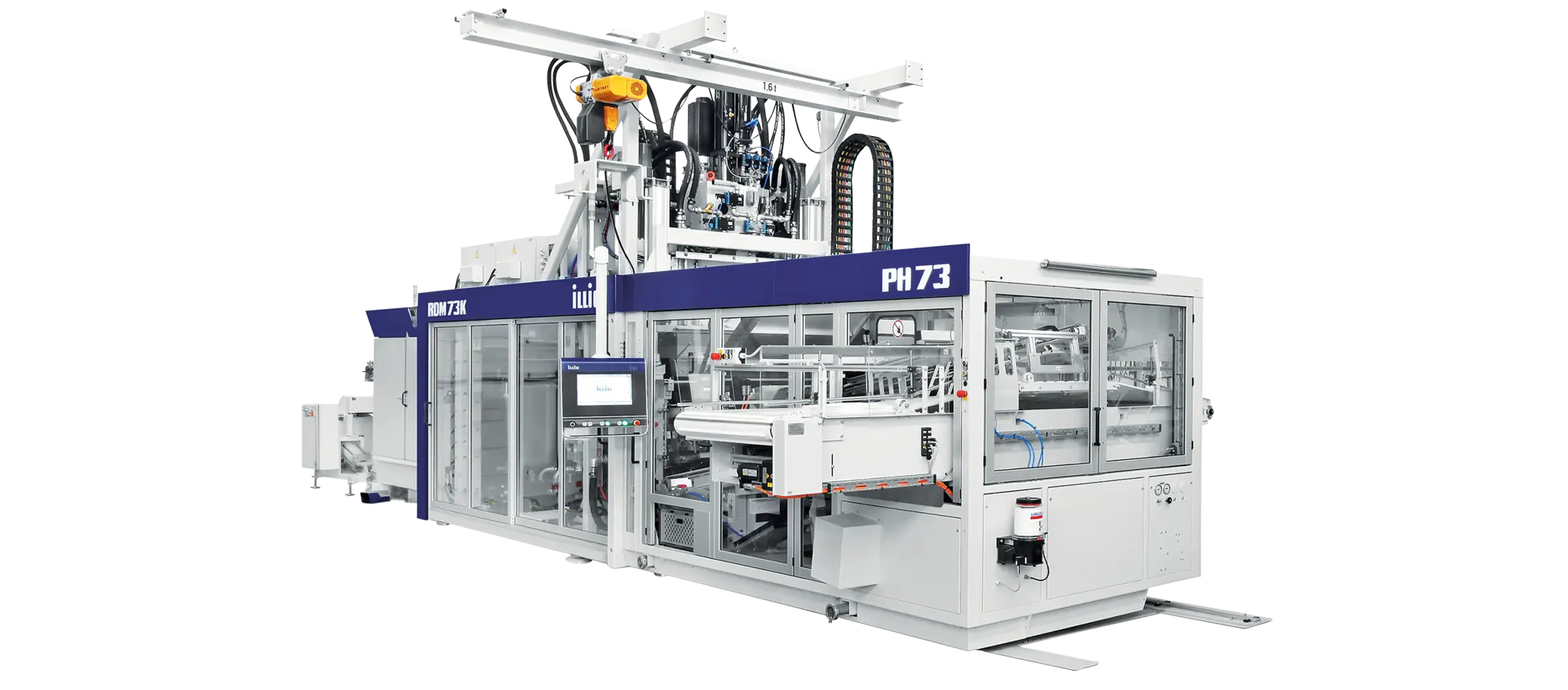
Vacuum forming is an advanced manufacturing process where a flat sheet of thermoplastic is heated until pliable, draped over a custom-designed buck (mold), and stretched into its final shape using high-pressure vacuum extraction. While basic desktop equipment—such as a standard dental lab vacuum forming machine—is designed only for ultra-thin films and clear aligners, Crenodez operates strictly at the industrial level. We process heavy-gauge structural plastics (up to 8mm thick) capable of replacing sheet metal and fiberglass in demanding environments.
The core difference lies in material state and pressure. Injection molding forces molten liquid plastic into a closed, two-sided cavity under extreme pressure, allowing for complex internal ribs. Thermoforming stretches a solid, heated sheet over a single-sided tool, making it ideal for large, continuous surface areas like equipment housings and transit trays.
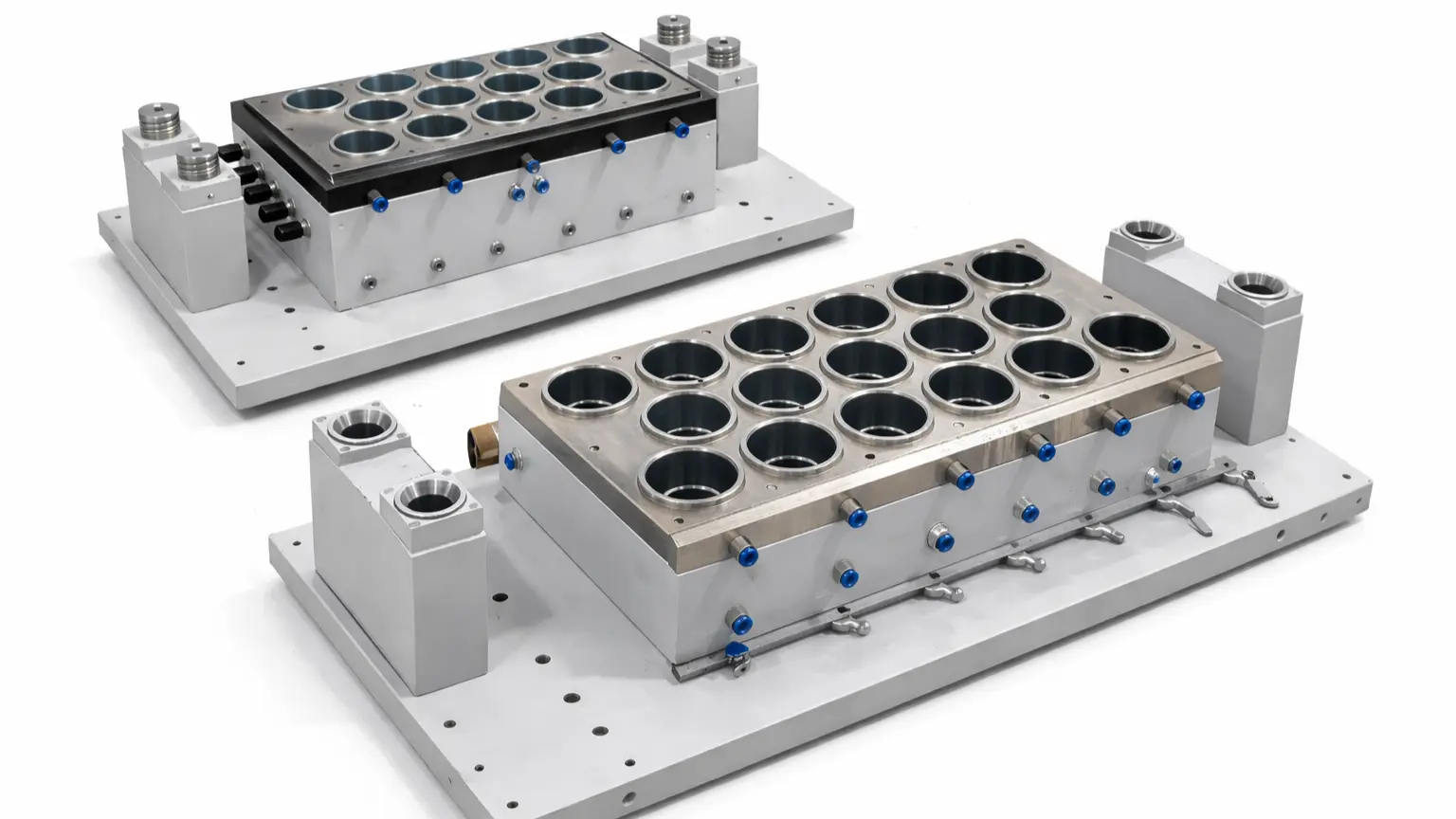
When calculating the thermoforming vs injection molding cost, tooling is the deciding factor. Because vacuum forming utilizes single-sided tools that experience low pressure, molds can be rapidly machined from MDF or aluminum. This results in tooling costs that are typically 80% to 90% cheaper than cutting hardened steel injection molds, making it the most cost-effective solution for mid-volume production (50 to 5,000+ parts).

From ultra-thin high-volume trays to massive heavy-gauge enclosures, our 3 dedicated production lines cover the entire spectrum of industrial thermoforming.
We don't just manufacture; we manage your inventory. We ensure zero line-down situations for our contract clients through strict inventory buffering and dedicated tooling.
Raw Material Safety Stock
Maintained based on your 3-month rolling forecast.
Finished Goods Buffer
Facilitating prompt Just-In-Time (JIT) dispatches against POs.
Hard Tooling Lifespan
Special-grade aluminum molds stored safely for exclusive use.
We analyze your CAD for proper draft angles (typically 3° to 5°) and undercut prevention, then design and machine the male or female mold in-house.
Industrial thermoplastic sheets are heated to their exact forming temperature and pulled tightly over the tool using high-vacuum extraction.
The part is cooled using specialized fans and temperature-controlled aluminum tooling to prevent warping before demolding.
The raw formed part is mounted to a custom CNC fixture where excess flashing is routed away, leaving a final, installation-ready component.
Dashboard fascia, custom interior door panels, ATV body shells, and heavy-duty transit trays for automated assembly lines.
Large structural housings for MRI machines, medical carts, and sterile packaging trays.
Ruggedized external enclosures, robotic covers, and machine guards that are too massive for standard injection molding.
Lightweight interior cabin paneling, drone chassis covers, and custom protective transit cases.
A: Our heavy-gauge Line #3 can accommodate massive sheet formations up to 1500 x 1500 x 400mm, with material thicknesses reaching up to 8.0mm.
A: Unlike injection molding, vacuum forming stretches a single sheet, meaning complex internal ribs cannot be formed directly. However, we routinely use ultrasonic welding or structural adhesives to bond secondary mounting bosses and ribs to the inside of the formed shell.
A: Yes. A minimum draft angle of 3° to 5° is typically required to ensure the cooling plastic can be successfully ejected from the mold without tearing or dragging.
A: Our production-grade hard tooling is machined from special-grade aluminum and can last for up to 7 years. We store this tooling safely and exclusively for your projects.
A: Absolutely. We maintain a Raw Material Safety Stock equal to 8 weeks based on a 3-month rolling forecast, and a Finished Goods Buffer Stock of 4 weeks to facilitate prompt JIT dispatches against your Purchase Orders.